What Fairfield Job Crews Should Know About OSHA Toilet Rules
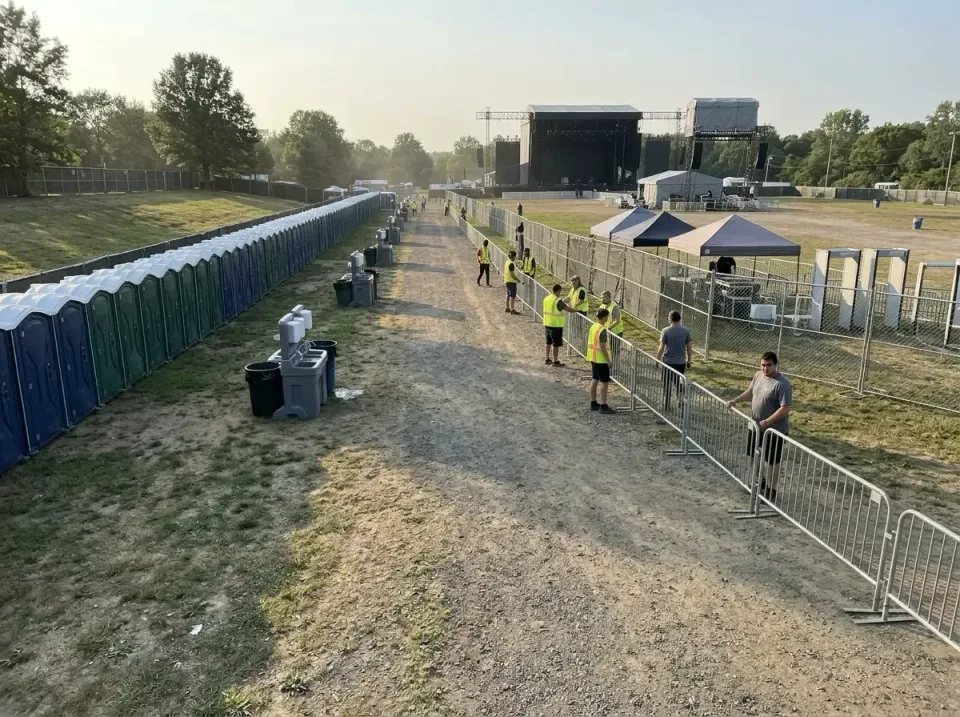
A toilet that arrives late or sits too far from the crew can disrupt a workday, but OSHA’s construction sanitation rule also sets minimum toilet access by workforce size. Under 29 CFR 1926.51©, employers generally need one toilet facility for 20 or fewer employees, with additional facilities required as crew numbers rise.
| Crew size | General toilet provision | Planning note |
|---|---|---|
| 20 or fewer | One facility | Keep it reachable from the work area |
| More than 20 | One toilet seat and one urinal per 40 workers | Recheck needs as staffing changes |
| More than 200 | One toilet seat and one urinal per 50 workers | Confirm the applicable threshold |
For a job near Fairfield Elementary School, plan placement around the active work zone rather than the property entrance. Fairfield Municipal Airport projects may have access controls to coordinate before delivery, while work near the Freestone County Fairgrounds calls for a clear drop-off plan so the unit is ready before crews need it.
What does 29 CFR 1926.51 require on a jobsite?
A crew short on nearby facilities loses time, and employers must provide sanitation that meets the worker-count rule. OSHA 29 CFR 1926.51©(1) generally requires one toilet facility when a job has 20 or fewer employees; for larger crews, the rule scales the number of toilet seats and urinals to headcount. The 40-worker and 50-worker thresholds matter, so count the people actually covered at the site and check the regulation’s specific requirements rather than relying on a rough estimate.
Our field check starts with the crew count, then the location and service plan. A standard unit can meet a basic site need, but a unit placed beyond a practical walk from the work area can still create daily friction.
The Freestone Medical Center is a useful local reference when coordinating a job nearby: delivery instructions should identify the actual work entrance, not just the site’s general address. Fairfield City Hall projects likewise need a named on-site contact who can direct placement.
Can heat and storms disrupt sanitation plans?
Yes, weather can affect whether a planned service visit and placement remain workable. Fairfield’s humid subtropical climate means outdoor job conditions can shift, so build service timing around actual use rather than assuming a fixed interval will always suit the crew. Frequent summer heat raises dehydration and shade concerns; put the toilet where workers can reach it without crossing active equipment routes, and make drinking water and shade part of the broader site plan.
Spring thunderstorms can interrupt setup, while severe storms may bring damaging winds and hail. Secure a unit when site conditions call for it and make sure the delivery route remains usable.
The Fairfield Chamber of Commerce can help identify local contacts for business coordination, but it does not replace the employer’s duty to provide compliant sanitation. We document sanitation and pump-out procedures and communicate changes to the agreed service plan.
When should you call a rental professional?
A superintendent can count workers, identify a safe location, and keep the approach clear; those are useful site-prep tasks. Call a sanitation provider when the site needs scheduled waste removal, the tank is nearing capacity, the unit has tipped or been damaged, or the truck cannot reach the planned location. Do not try to pump or dispose of toilet waste yourself without an authorized process.
Fairfield High School construction work may involve several trades entering and leaving the site, so update the headcount when staffing changes instead of setting the unit count once and forgetting it. Our crew confirms access, placement, and the service schedule with the site contact. For background on provider checklists, see how to check a Texas rental provider’s cleaning schedule.
How does the crew keep the unit usable?
A missed service visit can leave a full tank or an unpleasant unit in the middle of a shift. Give the provider a working contact number, a usable truck route, and a clear service area; then report an overflowing, damaged, or tipped unit promptly. Scheduled servicing should reflect headcount and site use, not simply the calendar.
OSHA’s rule covers employer-provided sanitation, while rental logistics help make that provision practical. Our documented sanitation and pump-out procedures support a planned service route, and clear customer updates help when site conditions change. If you are arranging a Fairfield job, Construction Site Toilet Rental can help you discuss crew size, placement, and a workable service schedule.
Which Toilet Setup Fits an OSHA-Managed Jobsite?
The right setup depends on crew access, sanitation needs, and whether workers need a single toilet or additional facilities. Farm to Market Road 27 jobs may require advance confirmation of the truck route and site entrance, while access from Interstate 45 can shape delivery coordination and mileage. For work near State Highway 75, give the driver precise placement instructions rather than relying on a broad location description.
| Option | Best for | Key detail |
|---|---|---|
| Standard portable toilet rental | Basic single-stall access | Approximately 4 by 4 feet |
| ADA-accessible portable toilet rental | Accessible toilet access | Approximately 5 by 7 feet |
| Portable handwashing station rental | Separate handwashing access | Standalone sink |
| Restroom trailer rental | Larger crews or extended use | Two or more stalls |
| Portable holding tank rental | Temporary wastewater storage | 250 gallons and larger |
Fairfield Independent School District Administration projects should confirm the actual work entrance before drop-off. At Fairfield Intermediate School, a compact unit may fit a tight staging area, but the employer still needs to evaluate the OSHA worker-count requirement.
How Do You Prepare a Jobsite for OSHA Toilet Service?
Start with the crew count and a location that workers can reach without entering a traffic lane. The details matter.
-
Count workers: Confirm the number of employees covered by the job and compare it with OSHA 29 CFR 1926.51©(1) thresholds.
-
Check the route: Heavy rain can soften unpaved delivery routes, so tell the provider about ground conditions before dispatch.
-
Choose placement: Set the unit on stable, level ground away from vehicle traffic and excavation, with service access left open.
-
Name a contact: Provide the delivery address and an on-site person who can direct the driver to the agreed location.
-
Plan service and pickup: Long, hot summers increase restroom servicing needs, so request a frequency that reflects headcount and use, then schedule removal when work ends.
For a project near Fairfield City Park, confirm the precise work area rather than giving only the park name. Autumn is often drier and cooler than summer, but still check the ground and access route before delivery.
Get Fairfield Construction Toilet Planning on Track
OSHA toilet planning starts with worker count, then depends on a reachable placement and a service plan that suits site use. A missed visit or inaccessible unit can leave a crew without a practical facility, so share the work area, headcount, and access details before scheduling.
At Fairfield Civic Center projects, identify the actual work location and delivery contact so the driver can place the unit where it is needed. If a job near Fairfield Hospital District has exposed hoses, cold snaps may temporarily freeze them; flag water-fed equipment when discussing the setup.
Fairfield Lake State Park is another local reference for planning access around an active site. For a construction rental quote, contact TX Toilet Pros at (844) 402-2049 or review our Construction Site Toilet Rental service.